
Honey: a food with terroir, and how bees make it.
Comparing honey to milk and cheese, examining how they allow landscapes to be tasted.

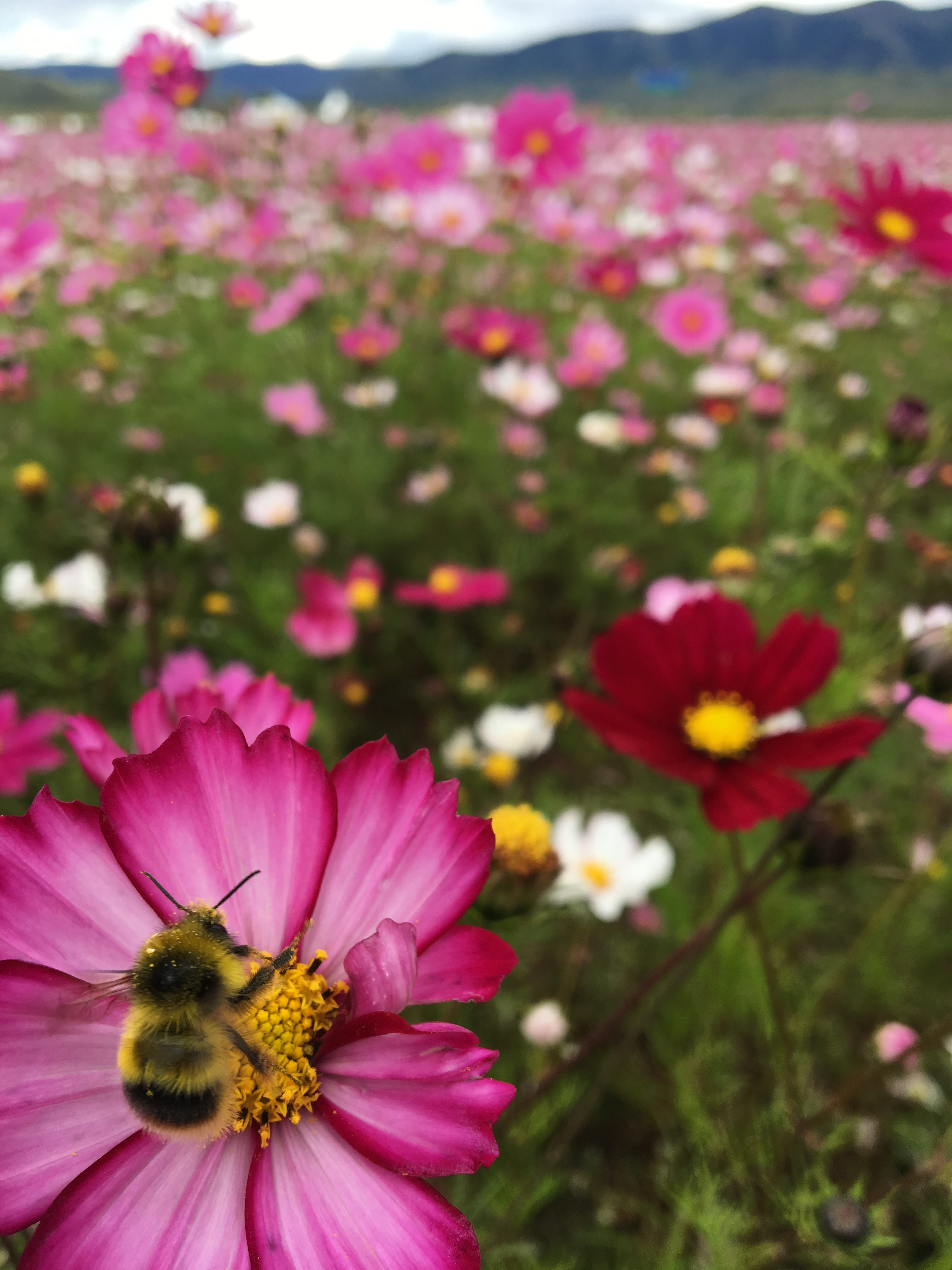
Reading over my last post about floral smellscapes and thinking about placedness more deeply, I feel the time is now to speak about another favorite food of mine. Honey is the perfect example of a food with terroir: a food that is a product of a landscape, that conveys a taste of place. Compared to milk and cheese, the terroir is more direct, with bees collecting nectar that is turned into honey with characteristics derived from the source flower. Once we look at the process of how bees make honey; and the deep relationships between human communities, agricultural systems, and various species of bees; the simplicity disappears. Like cheese, honey is an incredibly complex and nourishing food, when we allow it be, when we don’t try to assert our illusions of dominance upon it.
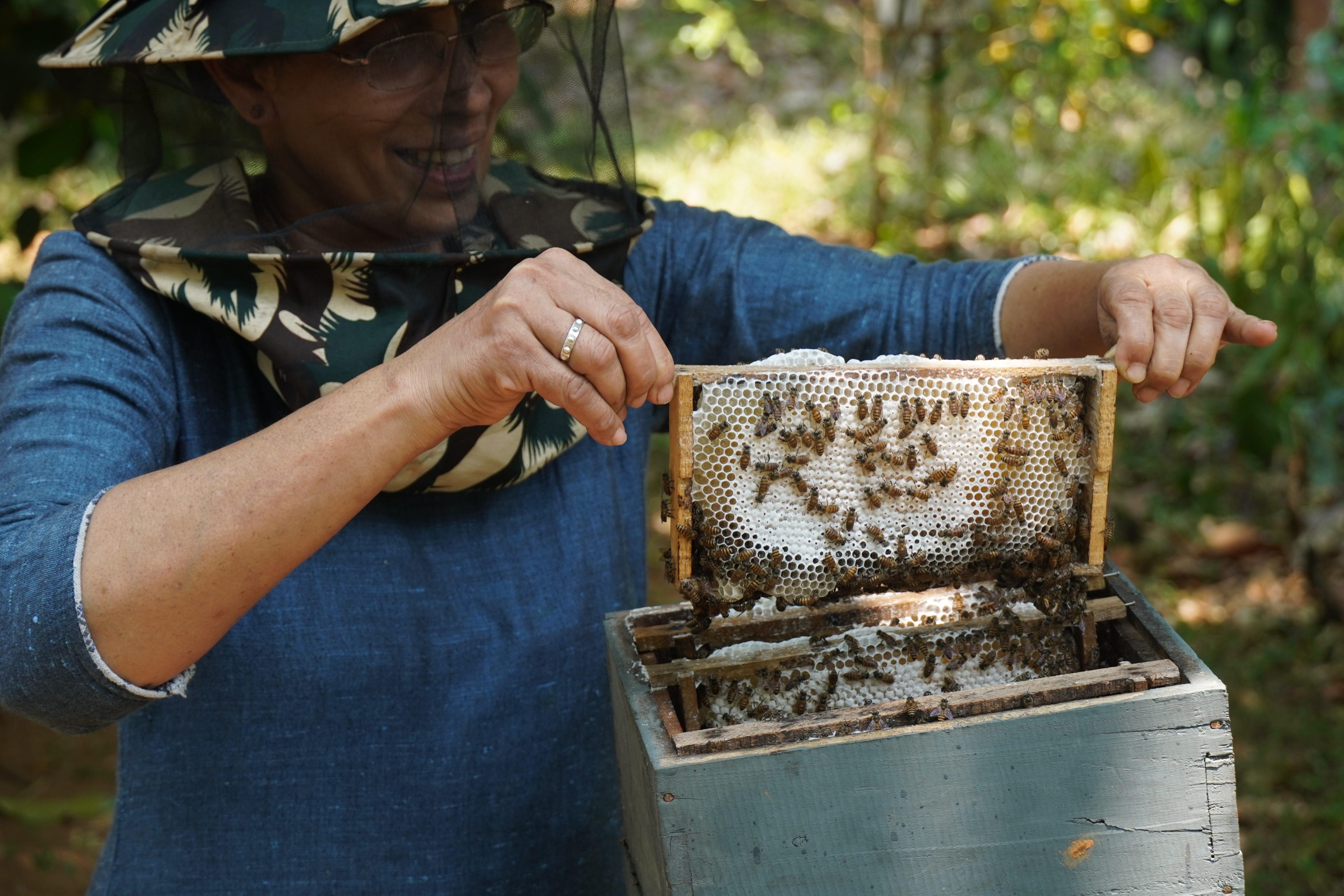
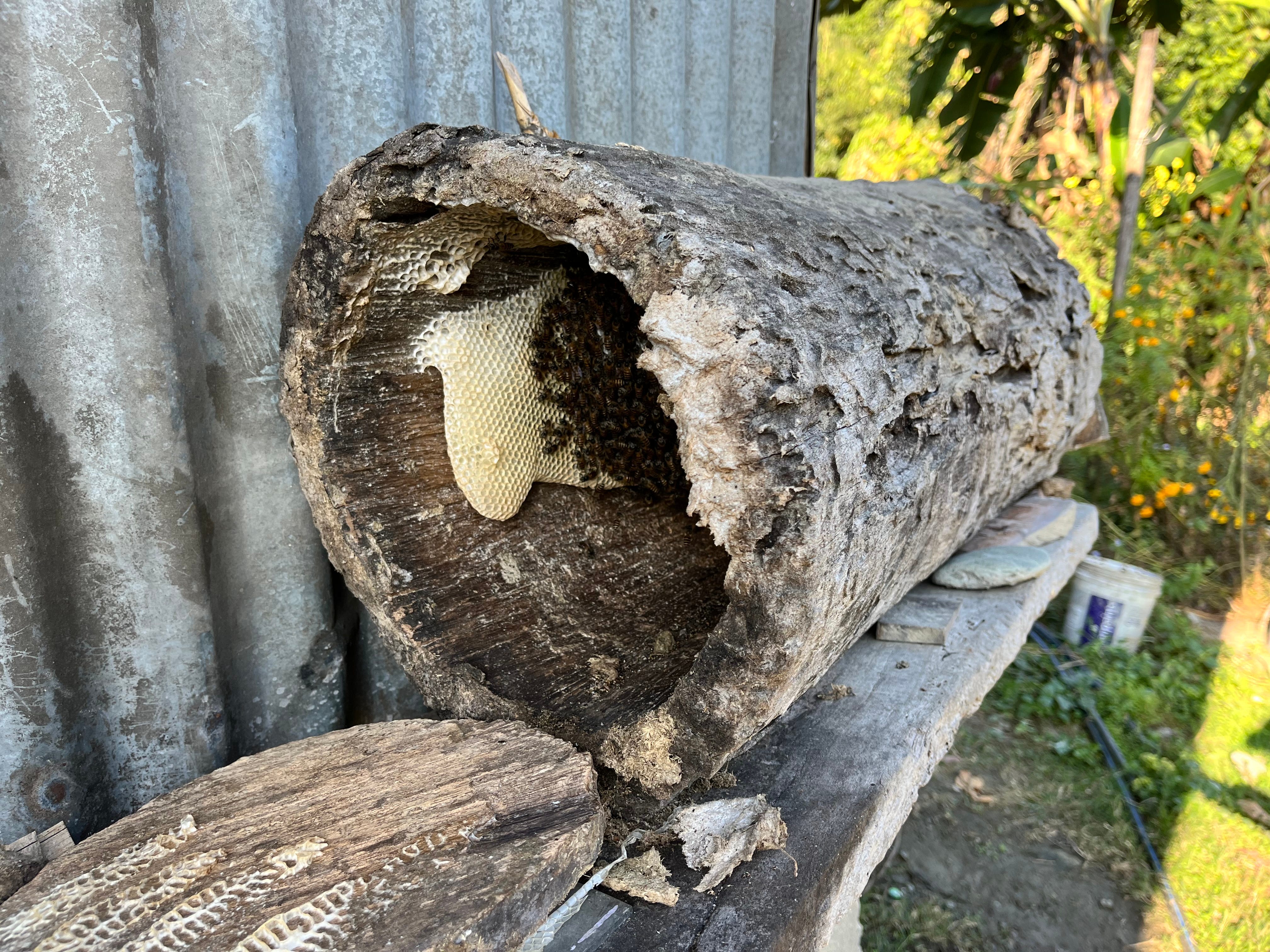
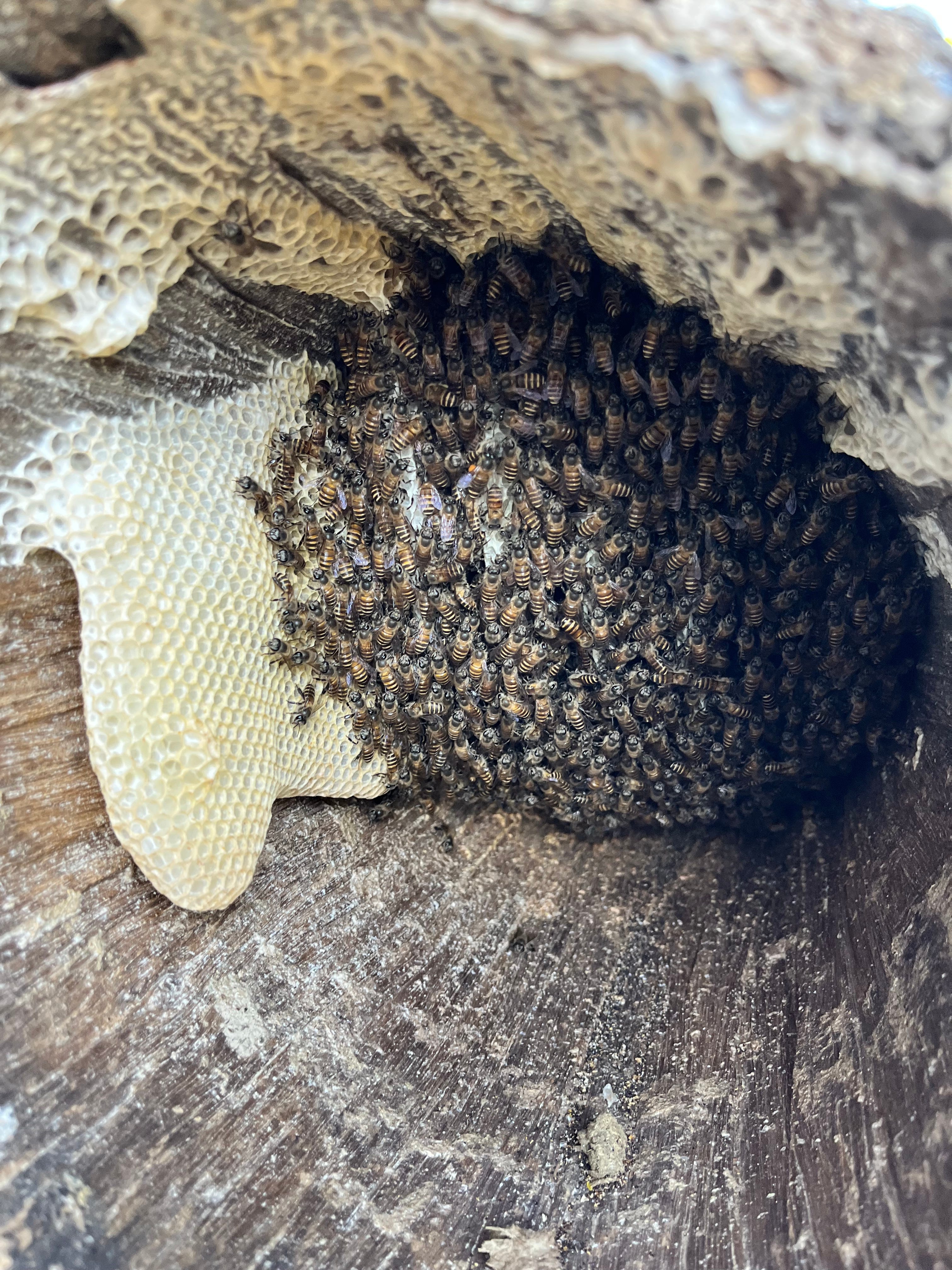
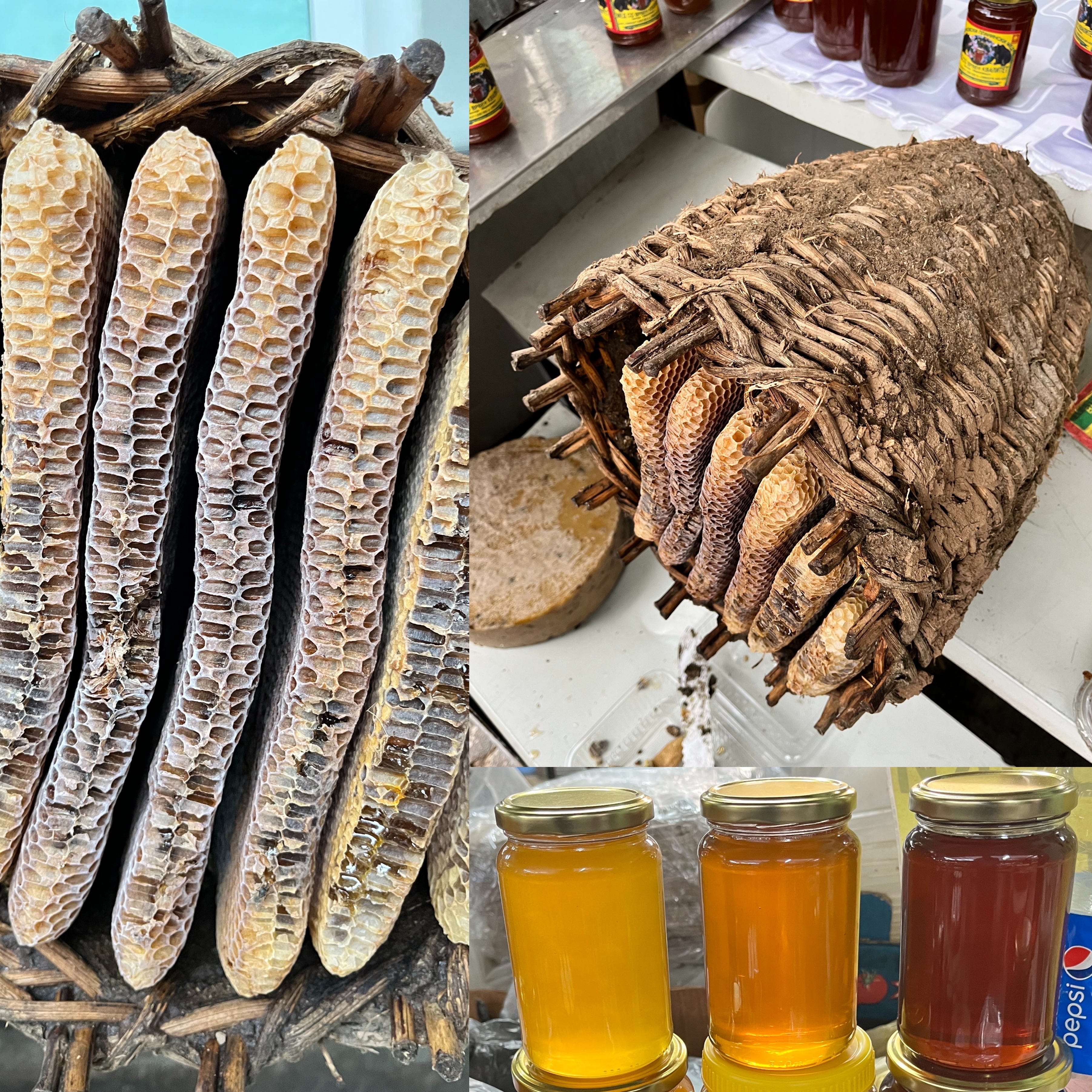
Bees play a similar role to livestock, gathering up the photosynthetic bounty of a landscape, concentrating and transforming it into foods (milk and honey) that sensible humans can clearly see are sacred. These insects and ruminants are intuitively following their instinctual behaviors, their biological urgings. Humans have intervened in these processes and created homes and safe spaces (barns and fences for livestock, skeps, hollow logs, and hives for bees), and coaxed formerly “wild” creatures into other domestic arrangements. By allowing the sugars in milk or honey to ferment, universes of cheese or mead have opened up for us to explore. Bees make honey, cows make milk, but humans have created the vessels in which honey becomes mead, or milk becomes cheese through processes that are entirely natural, which we have elaborated on, mimicked, and steered into delicious, place-based foods inconceivable without humans hands, minds, and stomachs. When these foods are born with minimal intervention and humble intention, the possibility of our reclamation of symbiosis and stewardship can be conveyed directly to our bodies in a language older than words.
The stability of honey, and fragility of tradition
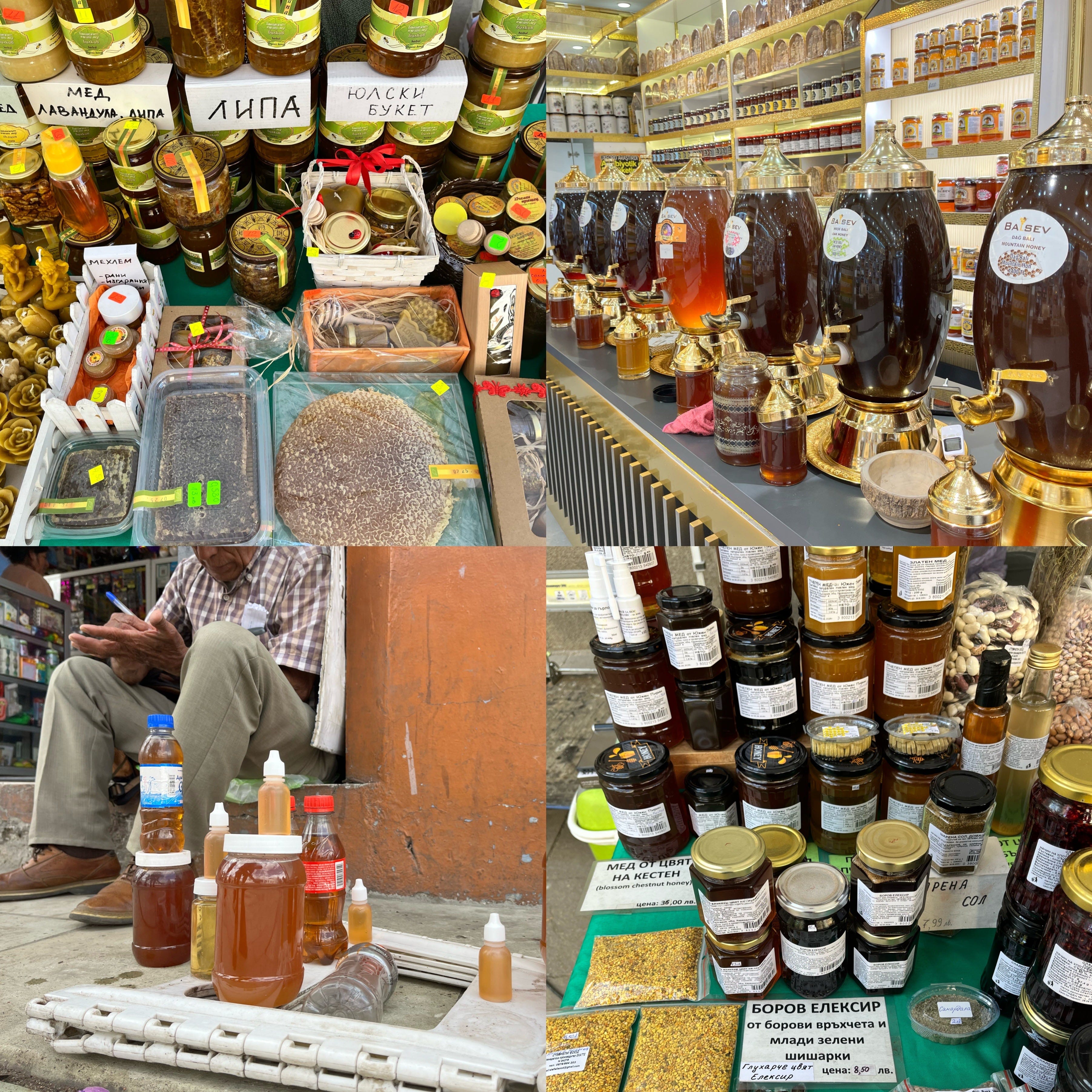
If I wasn’t already dedicated to my cheese path, I would be honey trekking. As I visit rural farming regions and their marketplaces, searching for cheeses, I also seek and collect honey. I generally have 5 - 10 types on me in little jars that I love to sample out to people, just to see and hear their reactions, just to start a conversation that begins with “yum”. Honey has advantages not shared by cheese; it is more shelf stable, doesn’t require refrigeration, and can be shipped or carried in a backpack without becoming crushed, moldy, or foul-smelling. Cheese is transitory, fickle and sensitive, honey is made to last. Some of the rare, terroir-driven honeys from remote corners of the globe can be purchased online and delivered to your door, unlike nearly all of the cheeses I rave about. Like cheesemaking, beekeeping has a diversity of traditional techniques, tools, and approaches that are being lost as the foodways of diverse cultures lose vitality and homogenize. A single species, the Italian breed of the European honey bee, is like the Holstein-freisan cow, becoming globally dominant as older breeds and other species are abandoned or replaced.
Flowers are inherently sexy and manipulative
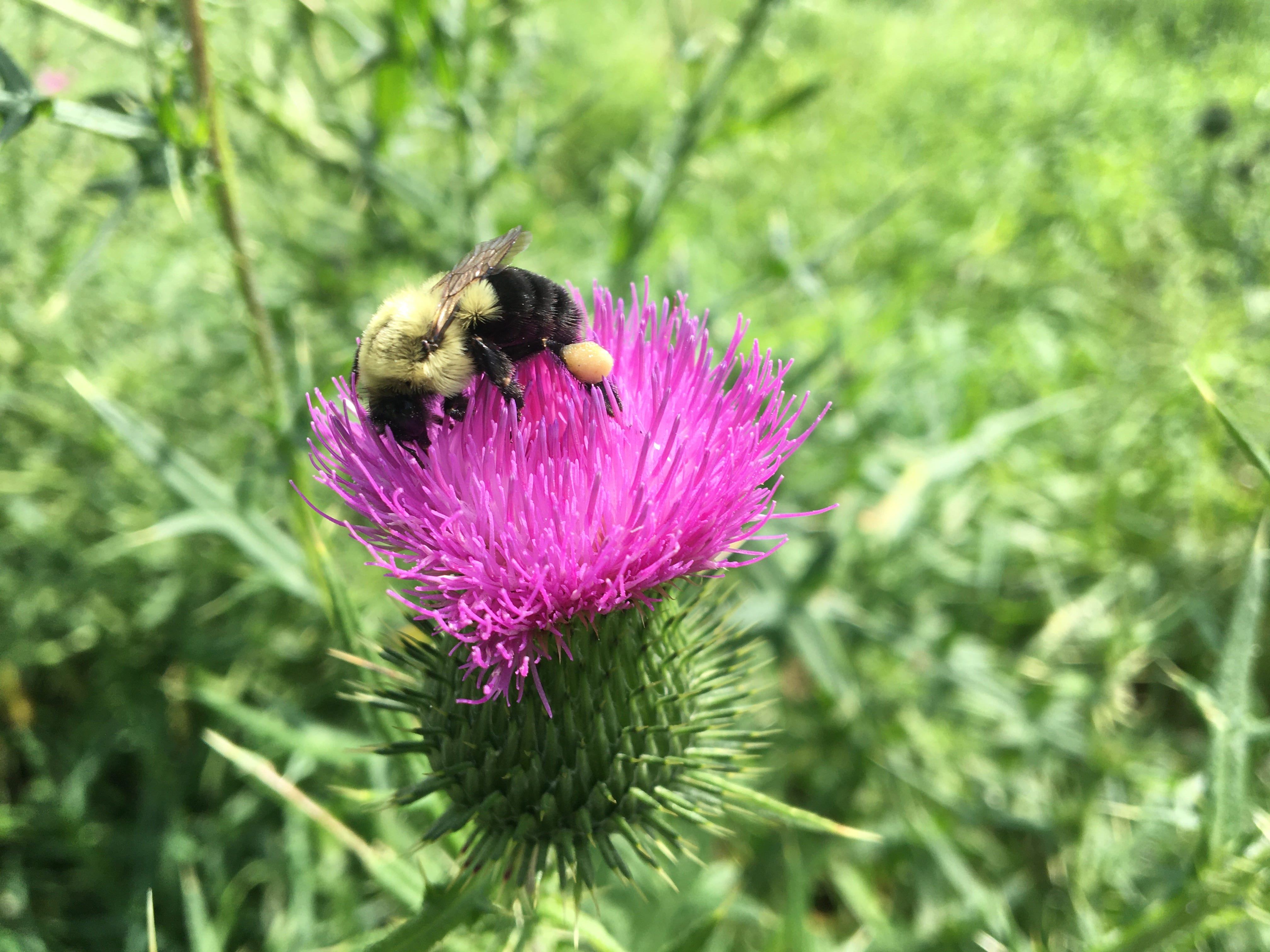
Flowers open and present in a colorful, unabashedly sexual striptease. They do this and release aromatic compounds for one reason: to attract pollinators who will carry their pollen to their own stamens, or to those of other plants. They offer pollinators a sweet gift: a sugar water called nectar. Bats, hummingbirds, butterflies, and various insects collect this nectar as nourishment. Most simply live in the moment, and enjoy this nectar on the spot, like you would a cold kombucha on a hot day, right in the parking lot. But honeybees are playing a long game. They don’t have the selfish urge, but act for the hive, and it is to the hive that they deliver the high caloric nectar, along with pollen that they will ferment into a vitamin, mineral, and protein rich food: bee bread. Pollen is carried in small sacks on the legs that can be seen with the naked eye, while the nectar is stored in a crop: a sack-like pouch in their digestive tract referred to as a “bee stomach”. Inside this crop, enzymes are secreted that begin to break down the complex sugars (mainly sucrose) into simpler ones such as fructose and glucose.
Sugars, acids, and enzymes
Once back at the hive, forager bees either pass the nectar to a home bee who swallows it into its crop, or they proceed with the dehydration process themselves. The nectars from different plants contain various ratios of simple and complex sugars, which lead to honeys of different textures and propensities for crystallization. These sugars make honey taste sweet, but it is also acidic, with an average pH of around 3.9, making it more acidic than typical tomato juice or coffee. The major source of this acidity is gluconic acid, which results from glucose being transformed by a bee stomach enzyme. Another product of this digestion is hydrogen peroxide, which inhibits microbial growth in most honeys. There are other acids that can come in the nectar, such as citric, lactic, acidic, formic, and malic. This combination of a diversity of sugars and acids reminds me of the aquamiel harvested from agaves to be drank sweet or allowed to ferment into pulque. The foods and beverages that speak to me are often those that have a diversity of sugars and acids in different ratios, that ride a curve between sweet and sour, with various types of indigenous microbes and enzymes unlocking their potential terroir. In the case of honey, bees are actually working to prevent the fermentation of the nectar sugars into alcohol via yeast.
Nectar into honey.
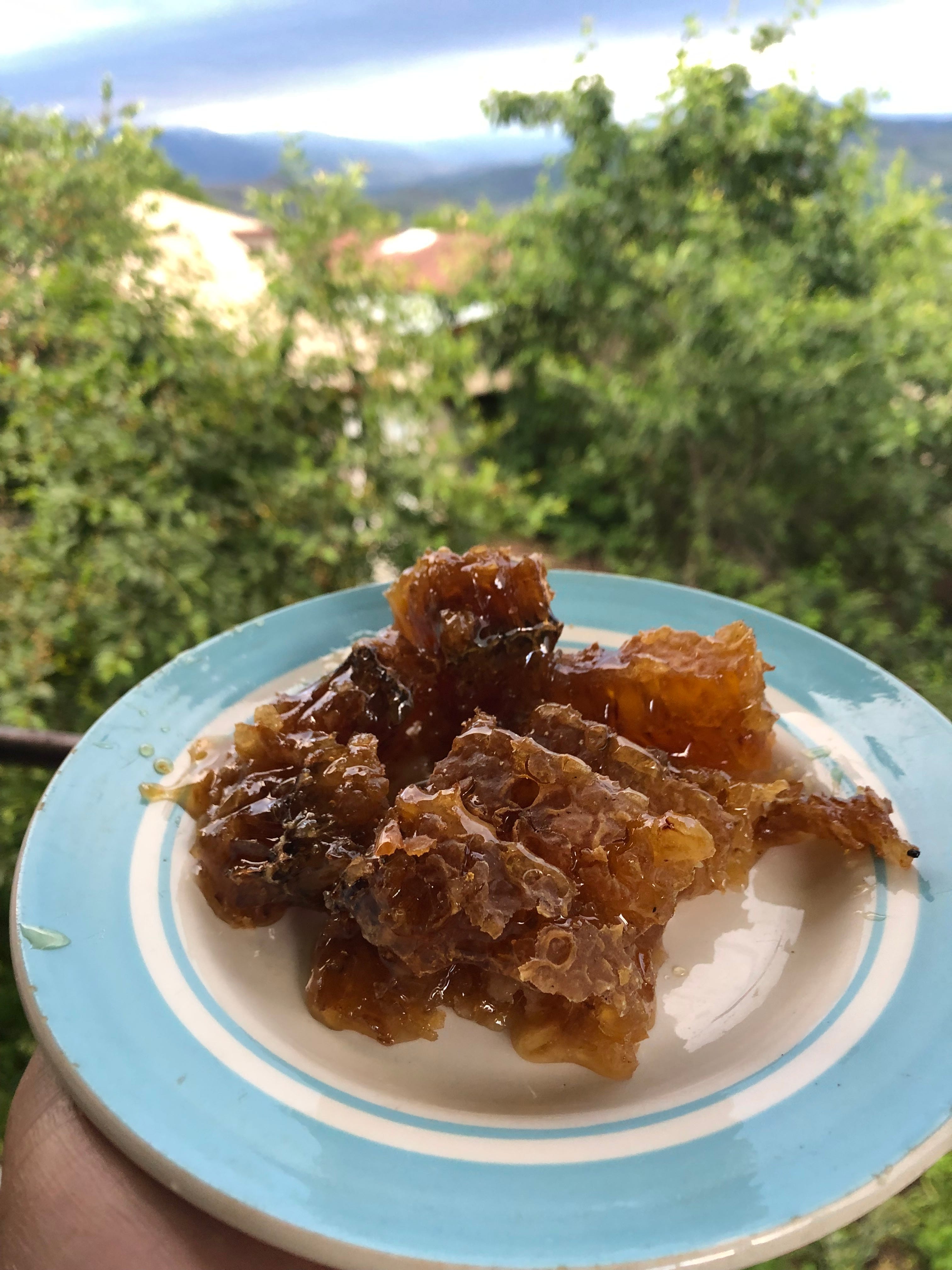
This processed nectar still can’t be stored in the hive as is, its combination of water, simple sugars, and yeast is alcohol fermentation waiting to happen. The proto-honey must have its moisture content reduced to below 20%. Home bees (or the original foragers) pump the proto-honey into a bubble or film that hang from their mouths, over and over again, allowing water to evaporate off, concentrating the sugar/acid cocktail. The fanning of their wings assists the removal of moisture. Once thickened, the honey is placed inside a honeycomb cell. To get the honey full dehydrated, home bees use rapid wing flapping to warm and circulate air through the hive and over the honey sitting in open cells. Once the moisture is close to 18%, it is considered “ripened” honey. To prevent it from reabsorbing moisture, the cell is capped with wax. Like cheeses aging in a cellar, the honey now sits as a store of calories to be eaten during the colder months when plants are not providing nectar and pollen. Like cheese, honey is an acidic, dehydrated version of a complex, sweet biological fluid with high potential for terroir. To ferment honey into mead, all humans need to do is add back in the water that the bees laboriously removed.
Tasting places and seasons
Honey and cheese allow landscapes to become tastable, they are channels through which places amplify elements of themselves into transcendental bites of delisciousness. They result from the gathering and converting of plant nutrients and compounds by insects or ruminants, and human intervention and extrapolation. Tasting these foods born of symbiosis allows us to plug into places in a direct way, taking them into our bodies, making them a part of us. The foods also represent snapshots in time, as they hold onto a esscenece of the season in which they were born, allowing us to experience and consume it at a later day. The milk from week in July becomes a cheese we can eat in December, summer’s bright abundance and botanical rioting lighting up the dark, warming the cold night. Fall chestnut honey brings its musky savory somber finality onto the first foods of spring, tempering their joy, elevating their green fresh innocence. Cheeses, honeys, and meads are not frozen in time, but evolve and change slowly. When made and stored properly, the flavors of cheeses and meads deepen and become more cohesive with time, ripening into something barely hinted at by the base material.
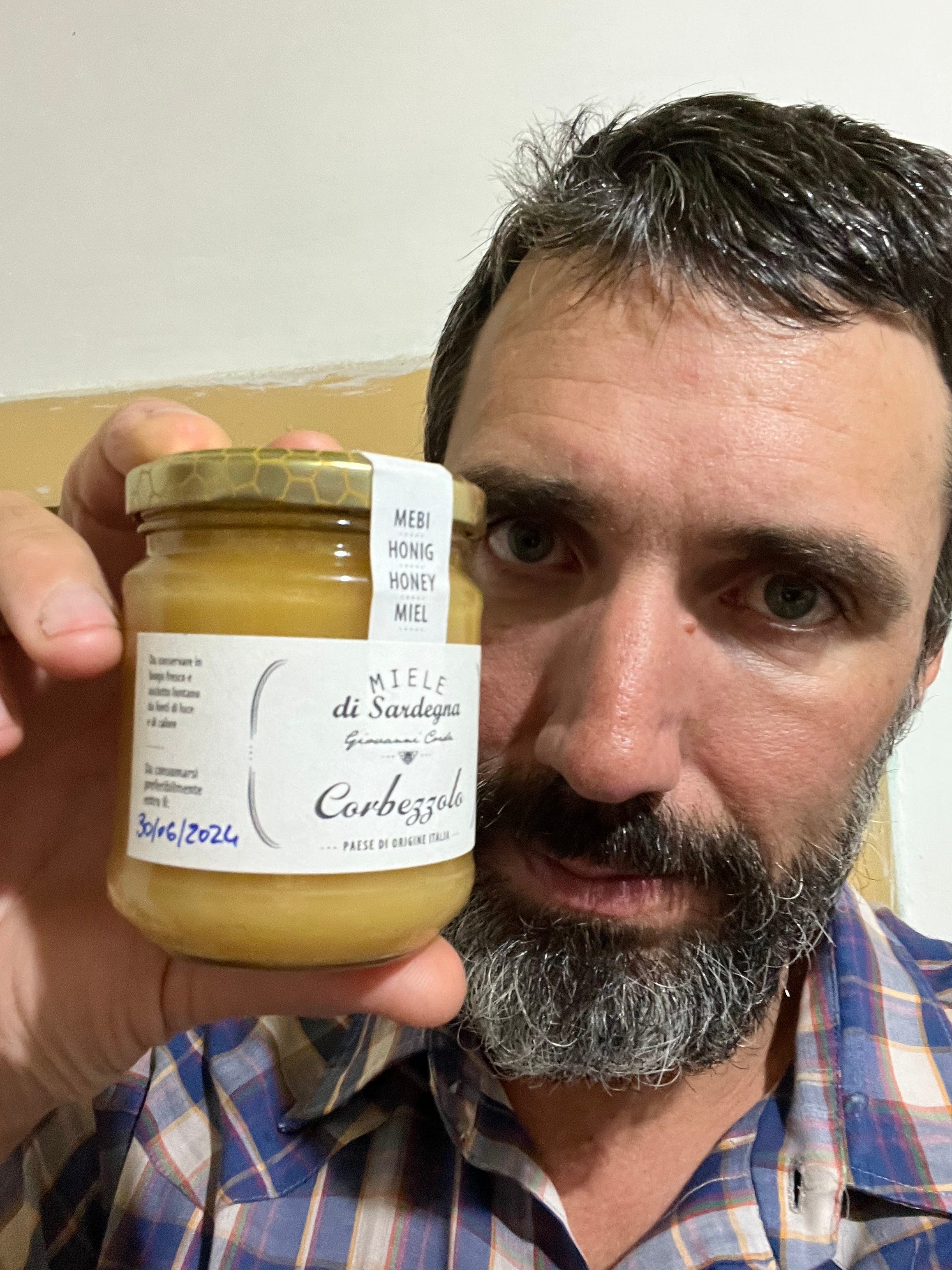
Naturally fermented cheese and raw honey from healthy landscapes and sane farming systems tell us just how delicious life can be, and that our lives can in fact be in service of, while be nourished by, the web that sustains and fruits life on this planet. They can inspire ranges of emotions, make us sigh, weep, or smile, become talkative, melancholic, or lusty. In these little jars of honey, I sense our redemption and reawakening, I feel our return to our own instinctive nature as the animal that feeds the holy that is all around us all the time, buzzing, crying, dancing, dying, and continually being reborn, fermenting into something else, equally divine. My jars of sticky sunshine and ecology concentrate are open, take a spoon and taste for yourself.
The wonder of bee's, just one little creation beautifully designed and managed with its little law from God Almighty. Their is a nice discussion with a faithful Russian peasant answering arguments of a Soviet athiest on the noble, little bee.
From: WHERE DID FAITH IN GOD COME FROM - IM Andreyev"
https://www.holycrossyakima.org/orthodoxPdfs/WHERE%20DID%20FAITH%20IN%20GOD%20COME%20FROM.pdf
Super interesting. I’ve always loved bees. Watching them in fascinating. When we lived in the states we always had pollinator gardens. Here in France I don’t since I live in an apartment but do put flowers out on my balcony in hopes they come. I love watching them work with my daughter who’s now 6 and talking about why we protect the bees and to not be afraid of them. Cheers from France. 🇫🇷